Introduction to Air Compressors
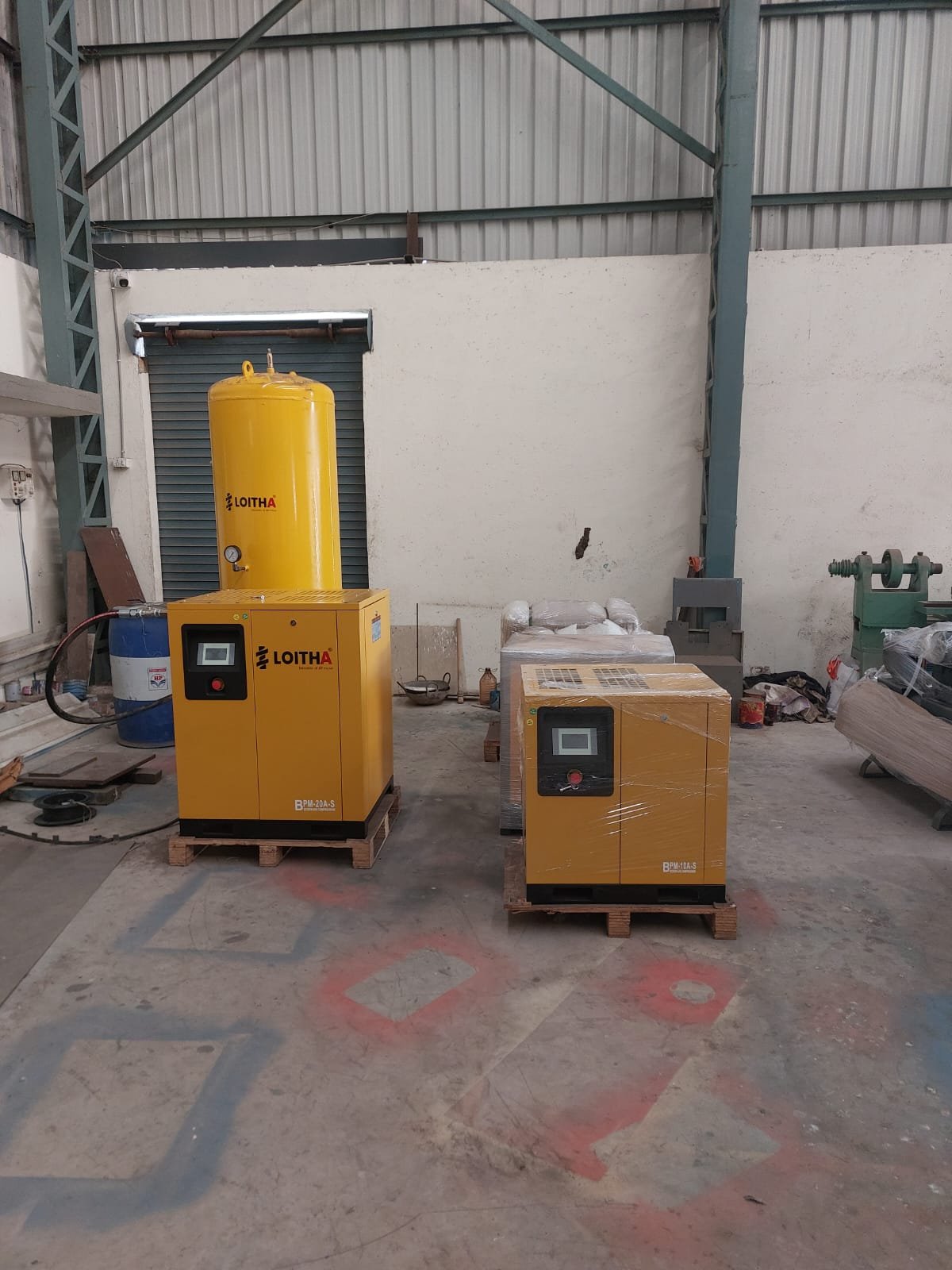
An air compressor is a mechanical device that converts power into pressurized compressed air. It works by drawing in atmospheric air, compressing it, and storing it for later use in tools, machines, and industrial applications.
Air compressors play a critical role in many industries, including manufacturing, automotive, pharmaceuticals, construction, and healthcare. Because compressed air powers a wide range of tools and equipment, it is often called the “fourth utility” after electricity, water, and gas.
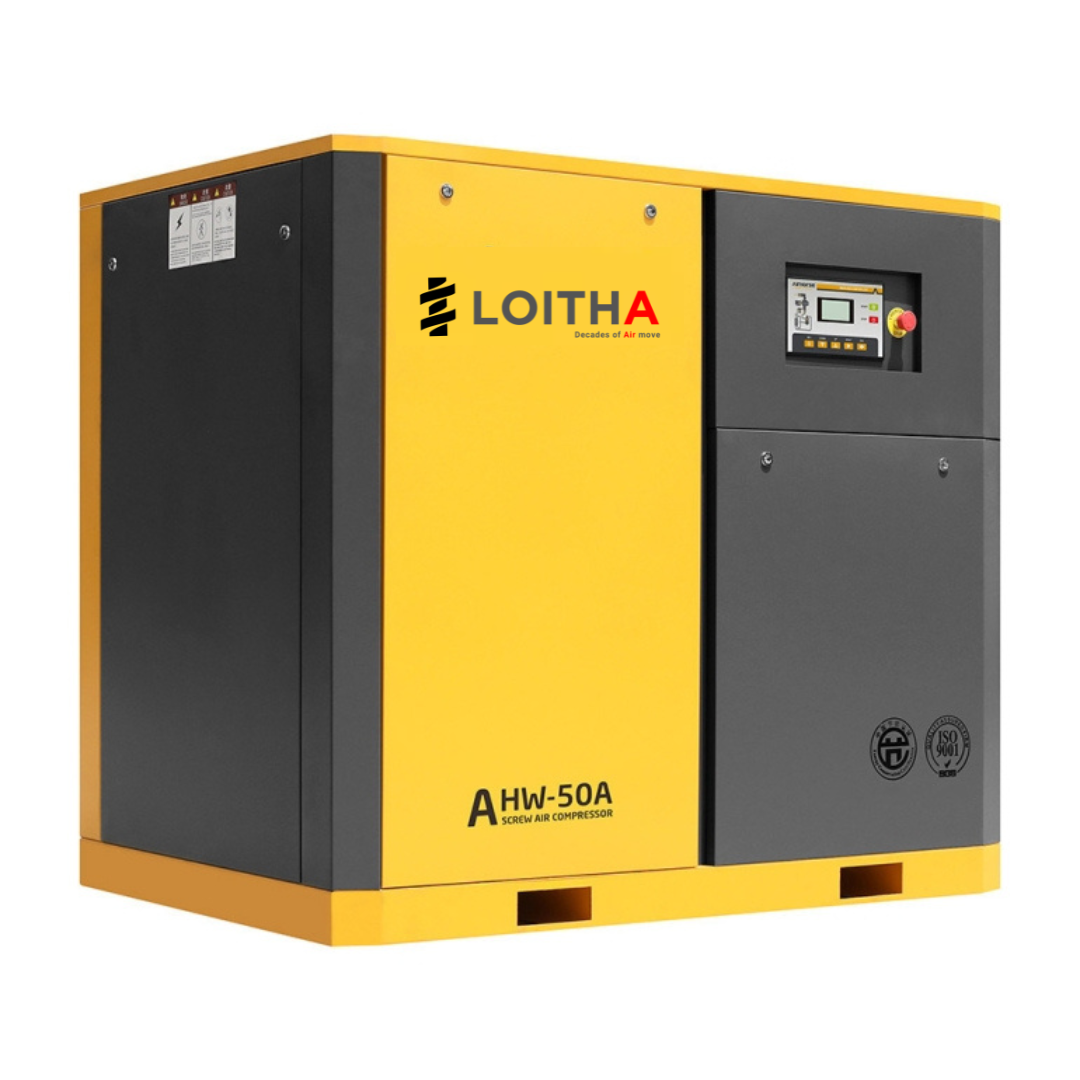
Modern compressor technologies such as oil-free screw compressors, variable speed drives (VSD), and smart monitoring systems have significantly improved energy efficiency and reliability. Leading manufacturers like Loitha are developing advanced compressors that deliver high performance while reducing operational costs.
Basic Working Principle of an Air Compressor
The working principle of an air compressor involves three main steps:
1. Air Intake
The compressor draws atmospheric air through an intake valve.
2. Air Compression
The air is compressed using mechanical components such as:
- Pistons
- Rotors
- Impellers
This compression increases the air pressure while reducing its volume.
3. Air Storage
The compressed air is stored in a pressure tank, where it remains until needed for tools or machinery.
When released, the compressed air converts stored potential energy into kinetic energy, which powers pneumatic tools and industrial systems.
Types of Air Compressors
There are two main categories of air compressors: dynamic compressors and positive displacement compressors. Each type is designed to serve specific needs, and understanding the differences can help you select the ideal compressor for your requirements.
Dynamic Compressors
Dynamic compressors increase air pressure by accelerating air and converting kinetic energy into pressure energy.
These compressors are ideal for high airflow applications.
Centrifugal Compressors
Centrifugal compressors use a rotating impeller to accelerate air. They are commonly used in:
- HVAC systems
- Chemical plants
- Power generation industries
Advantages:
- Continuous operation
- Low maintenance
- High airflow capacity
Axial Compressors
Axial compressors compress air through multiple rotating blades arranged in stages.
They are mainly used in:
- Aircraft engines
- Gas turbines
- Power plants
Positive Displacement Compressors
Positive displacement compressors work by trapping air in a chamber and reducing its volume to increase pressure.
These compressors are widely used in industrial applications requiring consistent pressure.
Piston (Reciprocating) Compressors
Piston compressors use a reciprocating piston inside a cylinder to compress air.
Types include:
- Single-stage compressors
- Two-stage compressors
- Multi-stage compressors
They are commonly used in garages, workshops, and small industries.
Rotary Screw Compressors
Rotary screw compressors use two interlocking helical rotors to compress air continuously.
Key benefits:
- Continuous airflow
- Low vibration
- High efficiency
These compressors are widely used in large manufacturing plants.
Scroll Compressors
Scroll compressors operate using two spiral-shaped scrolls to compress air.
Advantages include:
- Quiet operation
- High efficiency
- Low maintenance
They are commonly used in HVAC systems and medical equipment.
Industrial Applications of Air Compressors
Air compressors are essential in many industries.
Manufacturing Industry
Compressed air powers:
- Pneumatic tools
- Assembly lines
- Packaging machines
Medical Industry
Hospitals require oil-free compressed air for:
- Respiratory devices
- Surgical equipment
- Laboratory instruments
Construction Industry
Air compressors power:
- Jackhammers
- Drilling machines
- Sandblasting equipment
Automotive Industry
Used for:
- Spray painting
- Tire inflation
- Workshop tools
Household Applications
Small air compressors are commonly used for:
- Inflating tires
- Air beds
- Sports equipment
Factors to Consider When Choosing an Air Compressor
Selecting the right air compressor depends on several important factors.
Air Pressure Requirement (PSI)
Choose a compressor that provides sufficient pressure output for your application.
Airflow Requirement (CFM)
Higher airflow is necessary for tools that consume more compressed air.
Tank Size
A larger tank allows longer operation without frequent refilling.
Energy Efficiency
Energy-efficient compressors reduce operational costs and power consumption.
Oil-Injected vs Oil-Free Compressors
Oil-Injected Compressors
These compressors use oil for lubrication.
Advantages:
- Durable operation
- Lower cost
- Suitable for heavy industrial use
Oil-Free Compressors
Oil-free compressors produce 100% contamination-free air.
Ideal for industries such as:
- Food processing
- Pharmaceuticals
- Electronics manufacturing
Single-Stage vs Two-Stage Compressors
Single-Stage Compressors
Air is compressed once before storage.
Best for:
- Small workshops
- Household use
Two-Stage Compressors
Air is compressed twice to achieve higher pressure levels.
Best for:
- Large industries
- Continuous operation
Drive Mechanisms in Air Compressors
Air compressors use different drive systems.
Belt Drive Compressors
- Flexible speed control
- Lower cost
- Requires maintenance
Direct Drive Compressors
- Compact design
- Higher efficiency
- Lower maintenance
Variable Speed Drive (VSD)
VSD compressors automatically adjust motor speed based on air demand.
Benefits include:
- Energy savings
- Reduced electricity costs
- Longer equipment lifespan
Benefits of Using Air Compressors
Air compressors offer several benefits, making them an invaluable tool across industries:
- Energy Efficiency: Air compressors use less energy compared to electric-powered tools, lowering energy costs and reducing your carbon footprint.
- Versatility: Air-powered tools are lighter and more versatile than their electric counterparts, allowing for precise control and ease of use.
- Cost-Effectiveness: With fewer moving parts and less frequent maintenance, air tools last longer and provide reliable performance, making them a worthwhile investment.
- Eco-Friendly: Advanced technologies like VSD systems ensure air compressors remain energy-efficient, contributing to a more sustainable and environmentally friendly operation.
Conclusion
In conclusion, air compressors are essential tools that provide reliable and efficient solutions across numerous industries, from manufacturing and construction to healthcare and household use. Their ability to generate high-pressure, clean compressed air makes them indispensable for a wide range of applications.
Modern air compressor technology, with advancements like oil-free systems, variable speed drives, and smart monitoring, has enhanced their efficiency and reduced environmental impact. By choosing the right air compressor for your specific needs, you can ensure optimal performance, reduce operational costs, and support sustainable practices. At Loitha Air Compressors, we are dedicated to providing high-quality, energy-efficient air compressors to help businesses thrive. Need expert advice on selecting the perfect air compressor? Get in touch with us today!